Tuesday, 21 March 2017

Lesson 4 : INTRODUCE YOUR FAMILY ( かぞく)


for the family lesson sensei combine with all the lesson before meaning that(i can talk about my self, and counter of my family member also can elaborate about my family for example their occupation,age and also where they live?)


this is my family member


               わたしの かぞくわ 5 にん です
ちち はは あね ふたり いもおと わたちです 


note


girls
ちょお じょ "choo jo"
-first

じじょ "jijo"
-second


boy
ちょおなん "choonan"
-fist

じなん "jinan"
-second


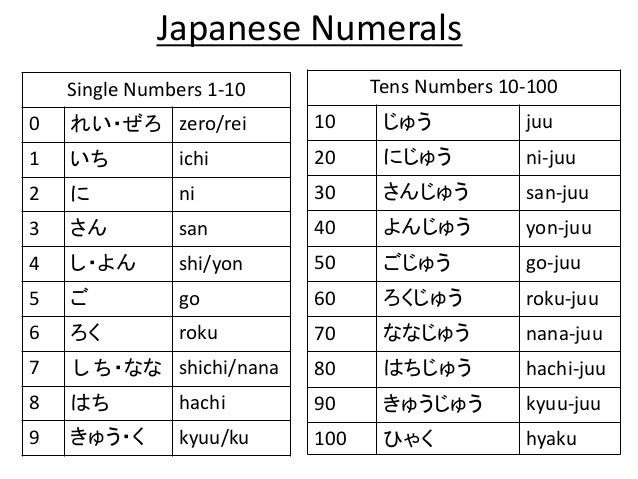
Number

Introducing family is start with stating family number.so count a number and memorize it is import part in lesson.so we are learn about the number and family member.


Hasil carian imej untuk number in japenes


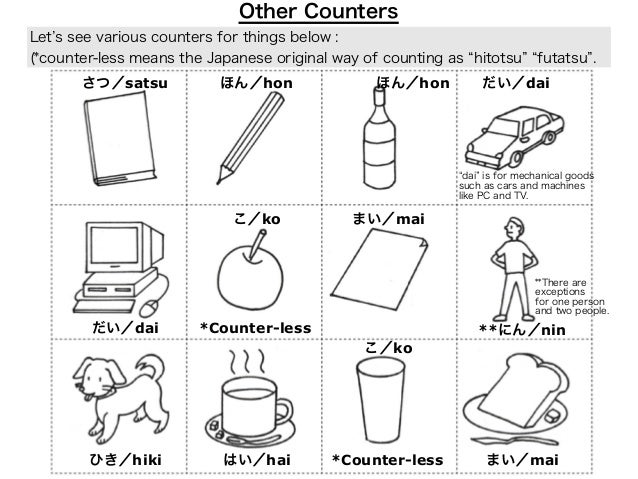
Counter じょすうし


Hasil carian imej untuk japenes counterexample counter in japeness


Lesson 3 : SELF INTRODUCTION

Today i learn a simple lesson (which is the introduce ourselves in the Japanese language) but is it interesting and also a little bit difficult for me because it is my fist time try to introduce ourselves  in Japanese language.
It is what I was learn and the basic one for introduce ourselves in Japanese:

Hasil carian imej untuk hajimemashite

はじめまして "Hajimemashite
-Hai
It is use for the first time meet with a person.


Q.  シマさんですね?"Shimasan desune"
-it is shima?

In the Japanese culture they put word (san) after the name of people for polite
A. はい です "Hai desu" or "ie'"
-(yes or no)


Q.とから ですか "tokara desuka"
-where are you from

A. マレーシアじん です "maresia jin desu"
The word jin is for resident
- i am malayian
-Or we can also say
"shuu-----name of palce------ kara kimashita"

Hasil carian imej untuk malaysia


Q.さん ねん せい ですか
"san nen sai desuka?"
-Do you third year
A.さん ねん せい です
"san nen sai desu"
-ye,i'm third year.

Q.おしごと は (なんですか)?[oshigoto wa?]
-what is your job or occupation
A.がくぶ の がくせ です 
"Gakubu no gakusee desu"
-i am university student

example of the accupation


good bye

どうぞ よろしく おねがい します [doozo yoroshiku onegai shimasu]
よろしく おねがい します [yoroshiku onegai shimasu]
よろしく[yoroshiku]


the introduce my self

はじめまして。 シマです。マレーシアから きました。
"Hajimemashite. syima desu. Mareeshia kara kimashita".

けいざ がくぶ  がくせい です.
"keiza gakubu gakusei desu"

さん ねん せい です
"san nen sai desu"

どうぞ よろしく おねがい します
 "doozo yoroshiku onegai shimasu"


 note

けいざ がくぶ=fem

がくぶ がくせい "gakubu gakusei"
-university student

ここ"koko"
- high school

shugakuse
-middle school


Lesson 2 : DURING CLASS EXPRESSIONS


During the class

(では) はじめましょう。 Dewa hajimemashoo. (Let’s start)
(では)おわりましょう。 Dewa owarimashoo. (Let’s finish here.)
ちょっと やすみまましょう。 Chotto yasumimashoo. (Let’s have a break.)


2. Teacher’s instruction

きいて ください。 Kiite kudasai. (Please listen)


いって ください。 Itte kudasai. (Please say)


かいて ください。 Kaite kudasai. (Please write)


みて ください。 Mite kudasai. (Please look)
Image result for Mite kudasai

よんで ください。 Yonde kudasai. (Please read)
Image result for Yonde kudasai.

おぼえて ください。 Oboete kudasai. (Please memorize)
もういちど いって ください。 Moo ichido itte kudasai. (Please repeat)
ゆっくり いって ください。 Yukkuri itte kudasai. (Please say it slowly)
おおきい こえで いって ください。 Ookii koede itte kudasai. (Please say it louder)
いっしょに いって ください。 Isshoni itte kudasai. (Please say it together)
あとに ついて いって ください。 Atoni tsuite itte kudasai. (Please repeat after me)
ちょっと まって ください。 Chotto matte kudasai. (Please wait)
ほんを ひらいて ください。 Hon wo hiraite kudasai. (Open the textbook)
ほんを とじて ください。 Hon wo tojite kudasai. (Close the textbook)


3. Teacher-student Q & A

わかりましたか。 Wakarimashitaka. (Do you understand?)
はい、わかりました。 Hai, wakarimashita. (Yes, I do)
いいえ、よく わかりません。 Iie, wakarimasen. (No, I don’t)
しつもんが ありますか。 Shitsumonga arimasuka. (Do you have any question?)
はい、あります。 Hai, arimasu. (Yes, I do)
いいえ、ありません。 Iie, arimasen. (No, I don’t)


4. Student-Teacher

もういちど おねがいします。 Moo ichido onegai shimasu. (Please repeat)
もうすこし ゆっくり いって ください。Moo sukoshi yukkuri itte kudasai. (Please say it slowly)
せんせい、( )って、どういう いみですか。
Sensee, ( ) tte doo yuu imi desuka. (Sir/Madam, what does ( ) means?)
すみません。おくれます。 Sumimasen. Okuremasu. (Sorry, I will be late)
やすみます。Yasumimasu. (I will be absent)

Lesson 1 : GREETING EXPRESSIONS

14/2/2017
はじめまして 
watashiwa syimasan . I would like to share about my learning Japanese. that one of the course i take for this semester, I attended that class in the second week because in  the first week my name does not appear in the list name of student....never mine..although I did not come in the first week. but is not a problem to miss what was being taught by a teacher in the first week because in the first week the teacher does not teach the syllabus lessons yet,just brief about this subject. My class name is BB3 .

before go thought about the topic teacher telling  us the type of character that using-
In Japanese, three types of character sets:
Hiragana [ひらがな] 
  • used widely to form a sentence.
  • was form by woman who want writing but being prevent to doing that

Katakana [カタカナ] 
  • is used mostly for foreign loan words.
  • was form when Belanda bomb Nagasaki.

kanji[漢字] 
  • like Chinese characters

additional:
Romaji [ローマ字](Roman alphabet) 
  • is used mainly for the convenience of foreigners

all type of character are used mixed in one way.But for this semester study we only used the hiragana and the katakana character for a basic.
how i remember this all character above?
with used 
memory hint hiragana and katakana that is the suggestion from sense to download and essay for me to remember all this character 
Hasil carian imej untuk memory hint hiragana
Hasil carian imej untuk memory hint katakana

Learn Japanese greeting phrases which are used in everyday life.
In Japanese language, there are various greeting phrases according to the situation or season.
But, the daily greetings are simple. What was we  learn in the  introduced common phrases in everyday situation is:
Let's learn it and use it today.

Basic Japanese Phrases

self-introduction 

Hai. Yes.
はい。

Iie. No.
いいえ。

O-negai shimasu. Please.
おねがいします。

Arigatoo. Thank you.
ありがとう。

Dooitashimashite. You're welcome.
どういたしまして。

Sumimasen. Excuse me.
すみません。

Gomennasai. I am sorry.
ごめんなさい。

Ohayoo gozaimasu. Good morning.
おはようございます。

Konbanwa. Good evening.
こんばんは。

O-yasumi nasai. Good night.
おやすみなさい。

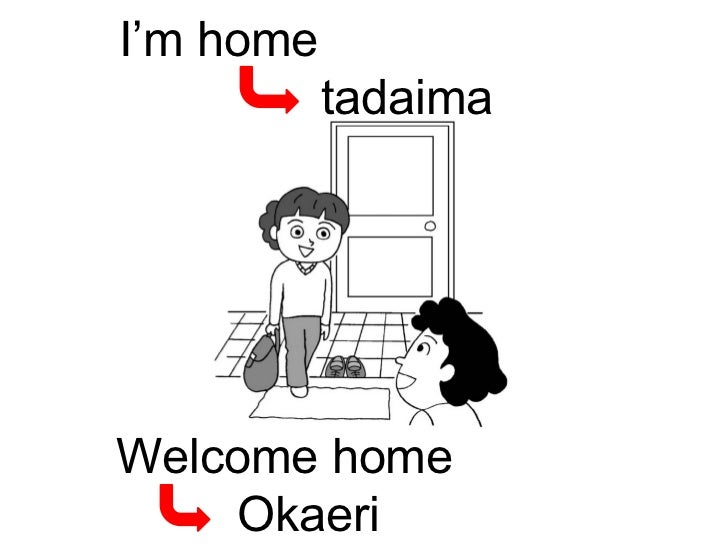
Leaving and coming home 
itte kimasu  See you 
 いってきます
tadaima I'm home
 ただいま
okaerinasai  Welcome back
 おかえりなさい
Hasil carian imej untuk tadaima


Hasil carian imej untuk tadaima
Before and after eating
 いただきます I will receive
 itadakimasu 
 ごちそうさまでした  Thank you for the meal
gochisoosama deshita 
Encouraging
 がんばってくださいdo your best
 ganbatte kudasai 
Apologizing
 すみません   Sorry
sumimasen 
ごめんなさいI am sorry
 gomennasai 

before last all the student should exchange greeting with all the classmate,this is the interesthing and make me to memories the important word to greeting and reply the greeting  with correct word😊

Week 6 Generating alternative strategies using portfolio models This type of strategies is known as BCG Growth-share matrix because of th...